Cangshan·Provisions

Front shop, back warehouseXizhou · Cangshan west slope

Just in · Autumn shelf: high-mountain honey & Yangbi walnuts

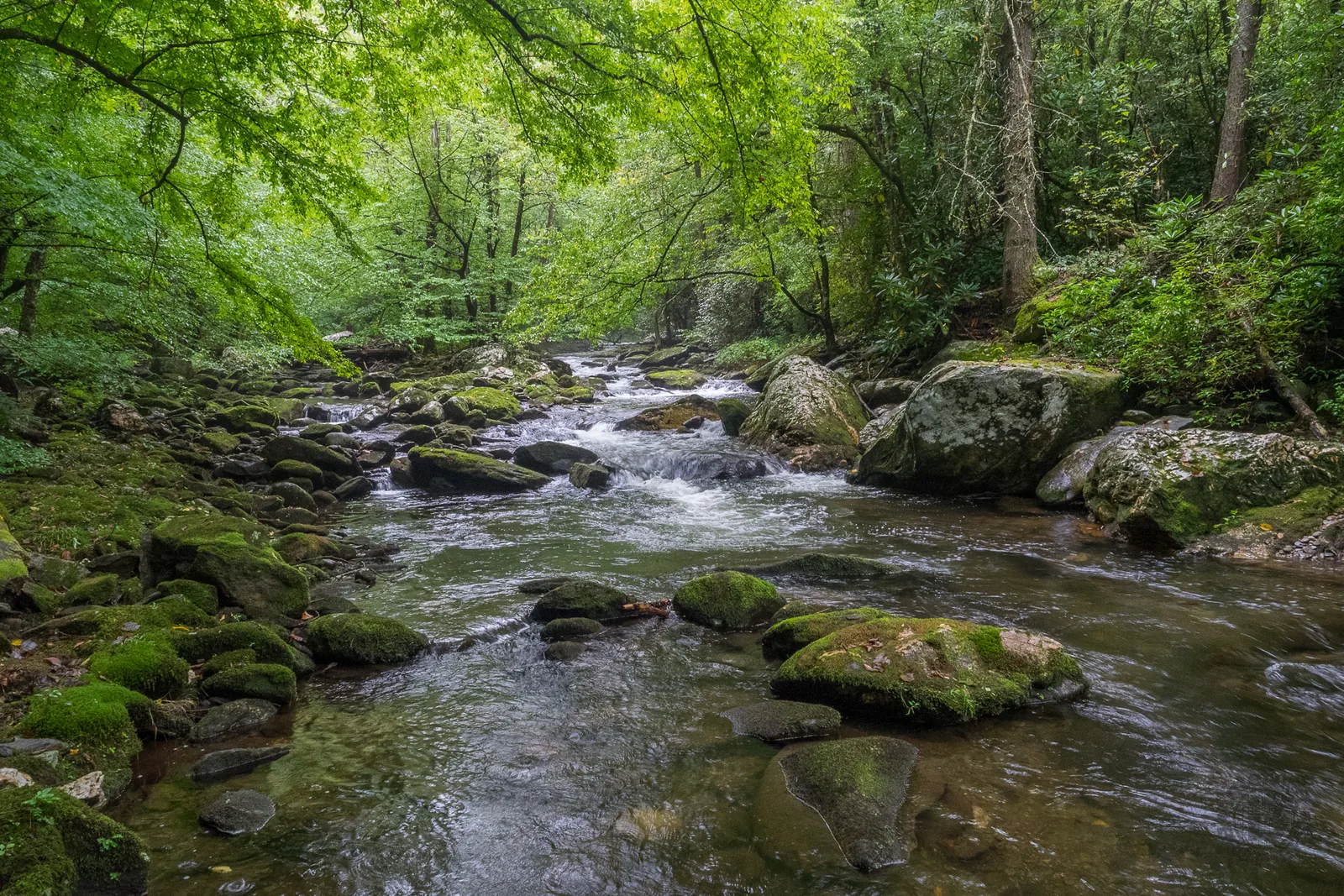
Foot of Yunnuo peak · a shop that turns its shelves with the season

A year on the Cangshan ridge, set out shelf by shelf.

March mingqián tea cakes, July jīzōng oil & dried matsutake, September mountain-flower honey and Yangbi walnuts, December Nuodeng well-salt ham — four shelves that turn with the calendar. Zhoucheng indigo wraps, three-cup Bai tea, market days, nine to six.

Spring · Tea Summer · Mushroom (demo state) Autumn · Honey Winter · Cured

WhereXizhou old town · Yunnuo peak

FourSpring tea / Summer mushroom / Autumn honey / Winter cured

Hours9:00–18:00 · early open on market day

BuyIn the shop · or write, we post nationwide

Section one · four shelves, turned by the season

Four horizontal shelves, browsed left to right.

Each band is a "season shelf" — flip right to find the good thing of the moment. Every card carries the village it came from and a one-line weather note. Prices are this season's shop prices, in yuan.

Spring Shelf · I

Chun·Spring Tea

Picking starts in March, the rack empties by May. Pre-rain first flush buds are withered, pan-fired, rolled, then pressed in stone moulds. Drink it while it's young; the aged notes can wait till winter.
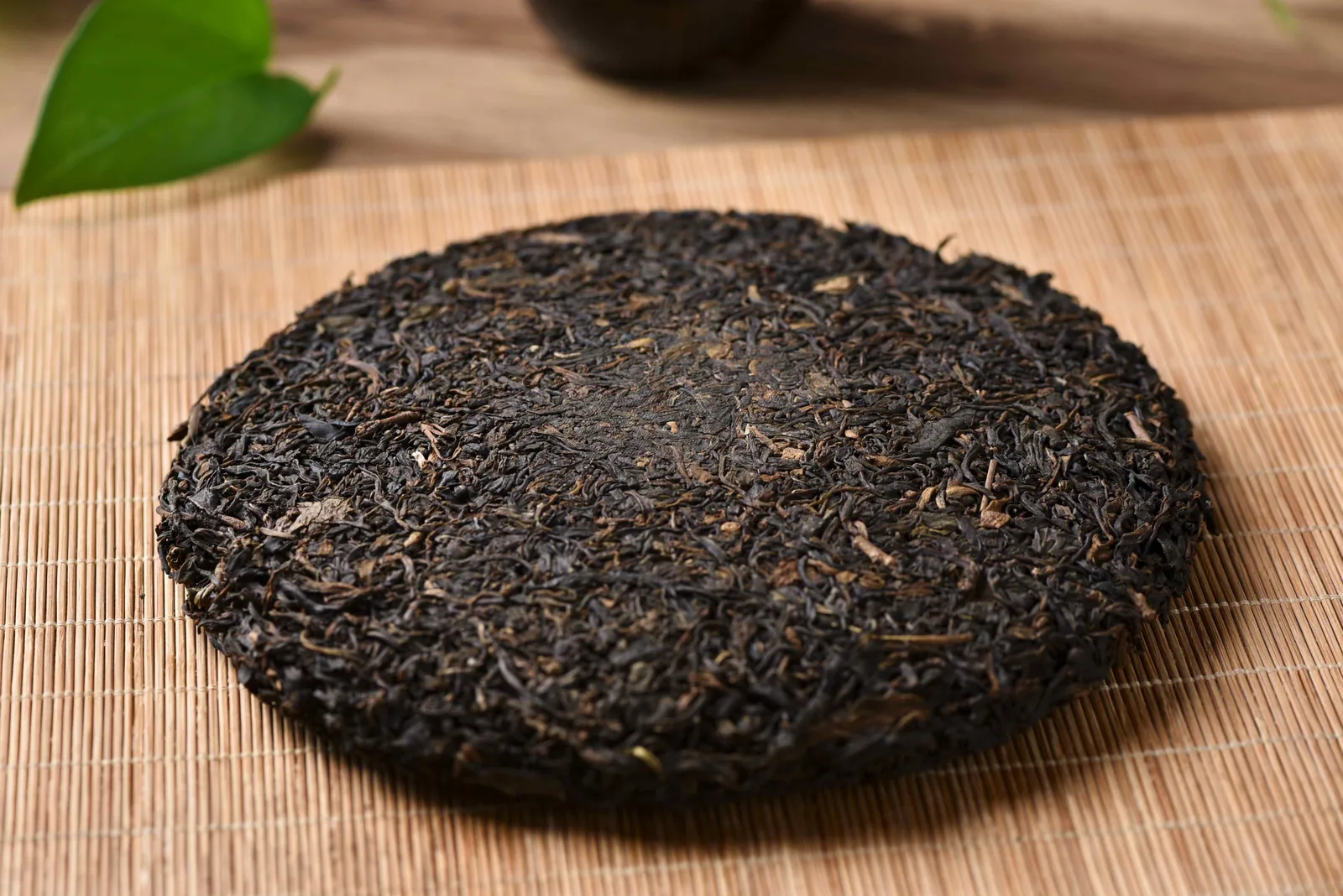
March – May · first flush

01 · Spring

Míngqián·Pre-Rain Tea Cake

From · Xiaguan (Dali) · Cangshan south slope

One bud, one leaf picked before Yǔshuǐ (the second of the twenty-four solar terms), pressed into a standard 357g shēng pǔ'ěr cake with a stone form. Drink bright in its first two years; cellared five years it's an old sheng. Xizhou folk pair the spring tea with rǔshān (Bai cheese slices) — "one sip of spring, one bite of curd."
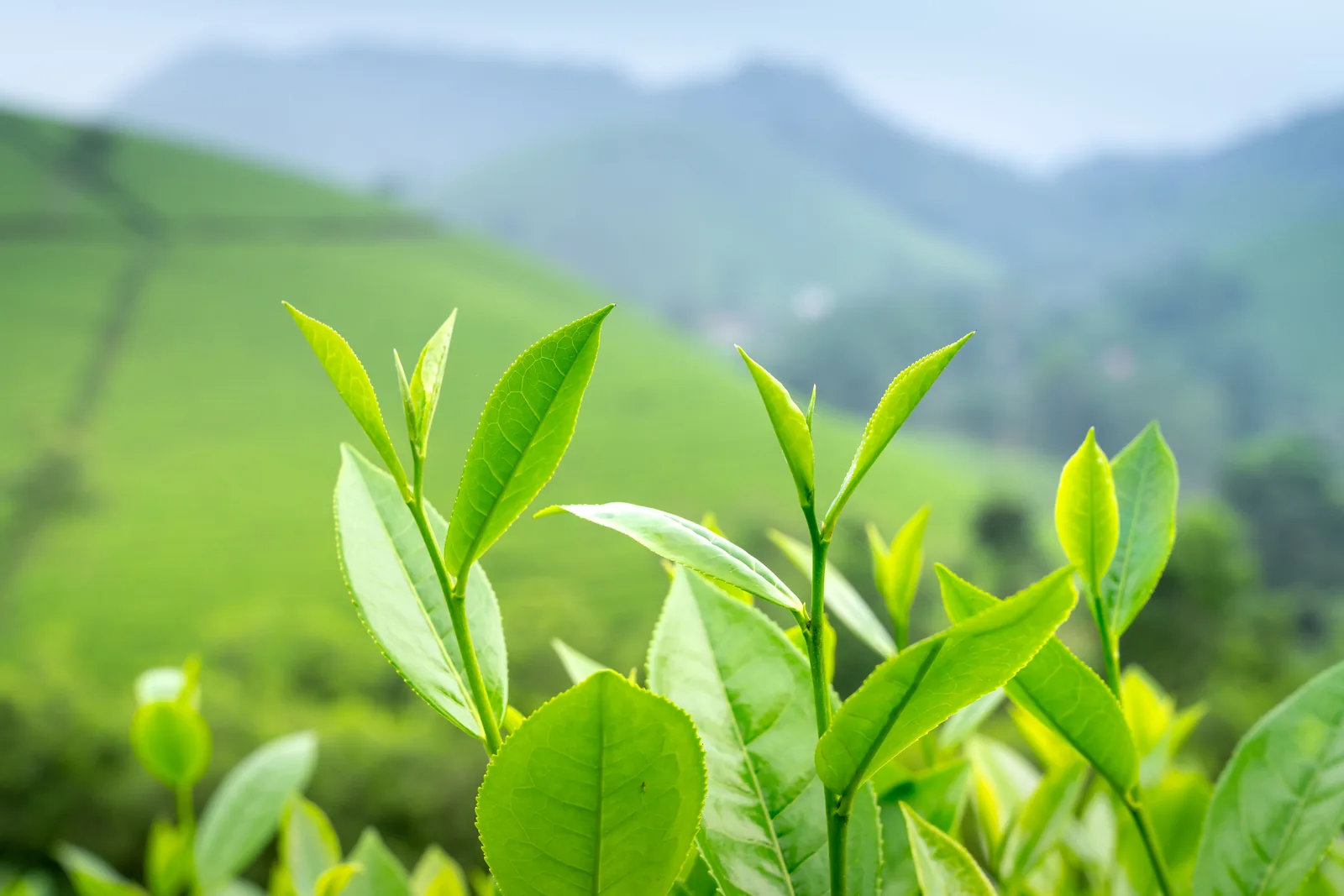
¥168/ cake 357g
Xiaguan · Cangshan S.

02 · Spring

Cāngshān Xuělǜ·Snow-Green of Cangshan

From · Yangbi Shimen Pass · 2,200 m

A wild high-mountain green, very different from the south-slope garden teas. Heavy cloud cover, short sun hours — the buds stay fine and silver-tipped. First pour, a bean-aroma; second, an orchid base; third, a sweet finish.
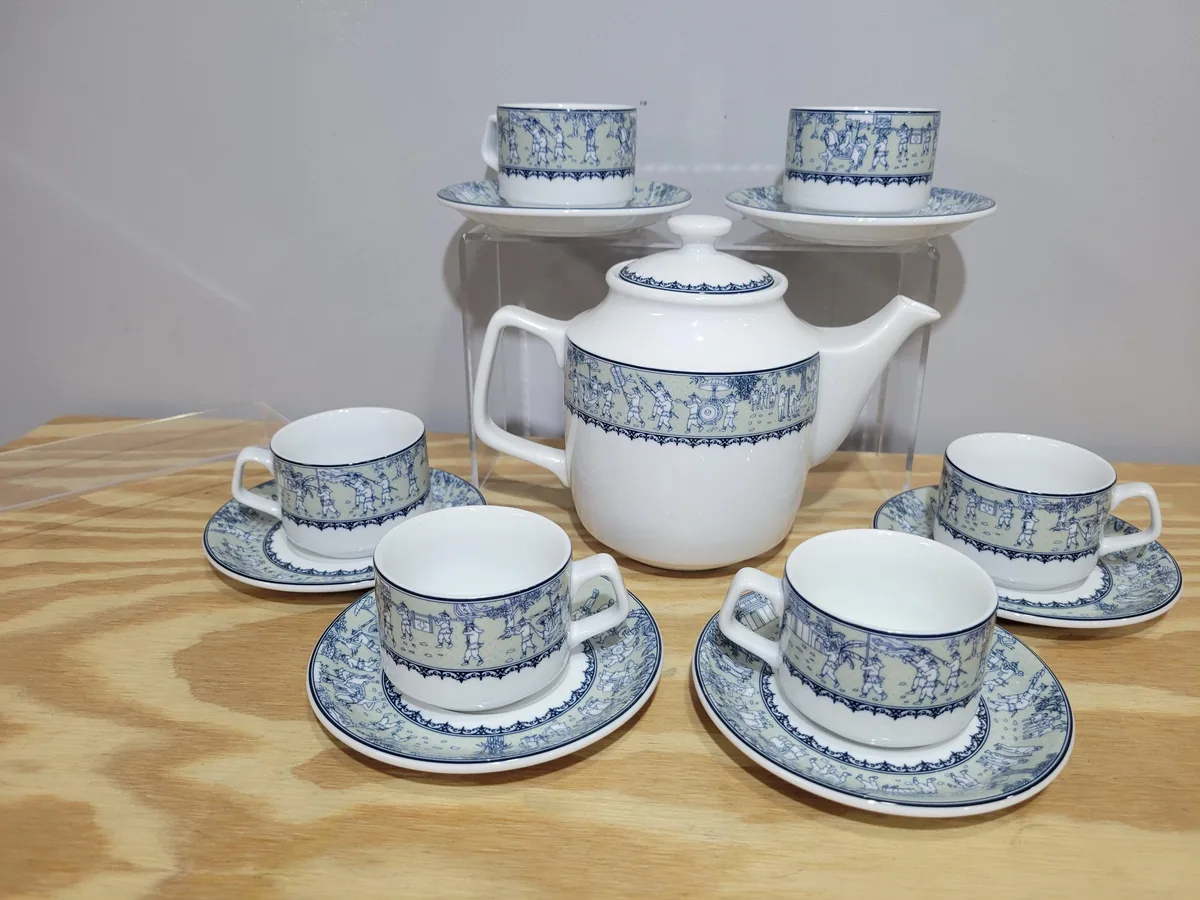
¥88/ tin 100g
Yangbi · Shimen Pass

03 · Spring

Sāndào Chá·Bai Three-Cup Tea

From · Xizhou · Bai tradition, our own blend

The old Bai hospitality: bitter, sweet, aftertaste — three cups in order. Three small clay jars, with a note on how to pour each. The bitter cup is fire-roasted Cangshan green; the sweet adds rǔshān (cheese) and brown sugar; the aftertaste brings in flower pepper, ginger and cassia. "One bitter, two sweet, three aftertaste." We pour the first cup for you in the shop.
¥58/ set · three jars
Xizhou · Bai tradition

04 · Spring

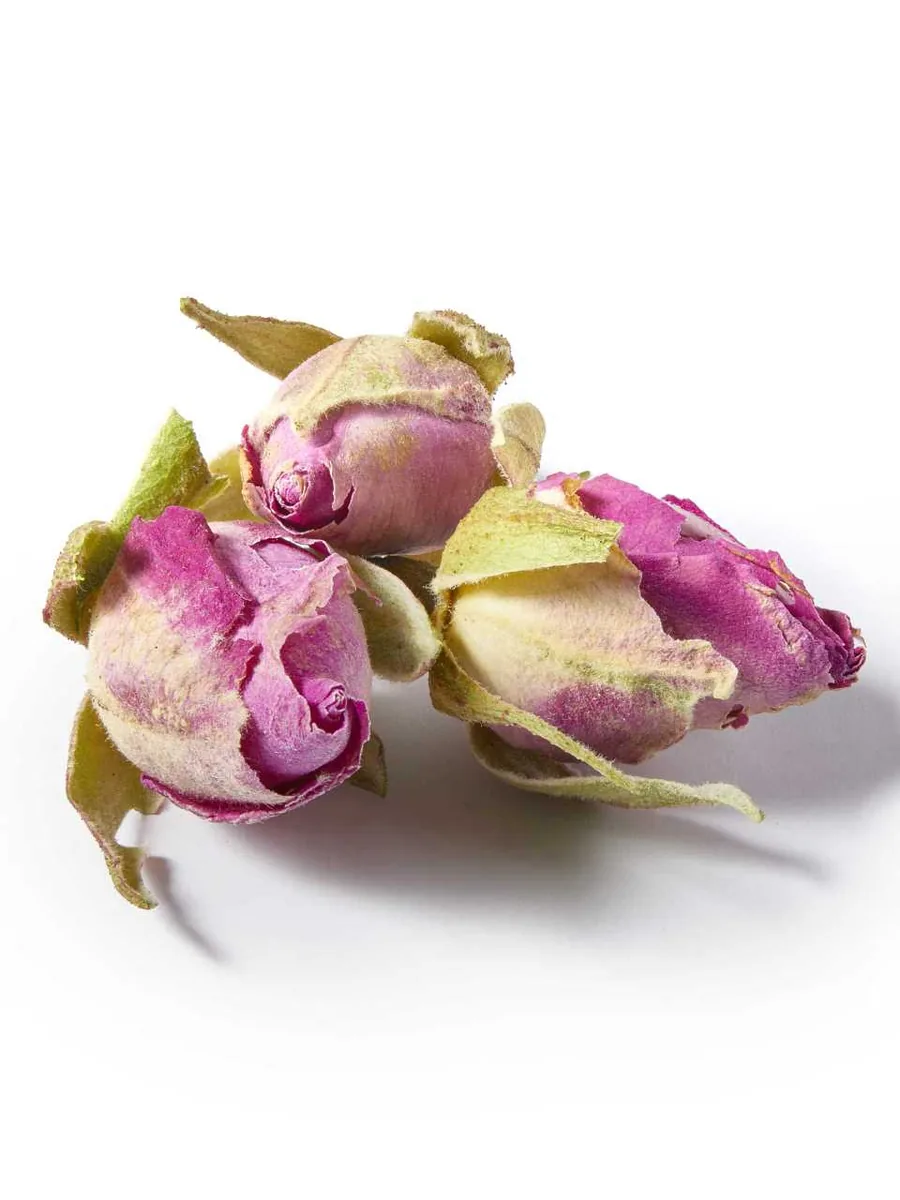
Méiguī Huāchá·Rose Bud Tea

From · Eryuan (north Dali) · 1,980 m

Eryuan's mòhóng (deep crimson) roses — a Diānhóng lineage — picked in April before the morning dew lifts, dried whole, neither rolled nor pan-fired. Steep a whole bloom in a pot; it opens in the cup. Pair with the Snow-Green for a flower-on-flower cup.

¥68/ tin 50g
Eryuan · high crimson

slide the shelf right →

Summer Shelf · II

Xia·Summer Mushroom

Rain moves in by July, peaks in August. The night after a storm, the woods on the nineteen peaks push up a flush. We never ship fresh mushroom — the road is too far, and fresh oxidises by the hour. Only dried slices and jīzōng oil.

July – Sept · rainy season

05 · Summer

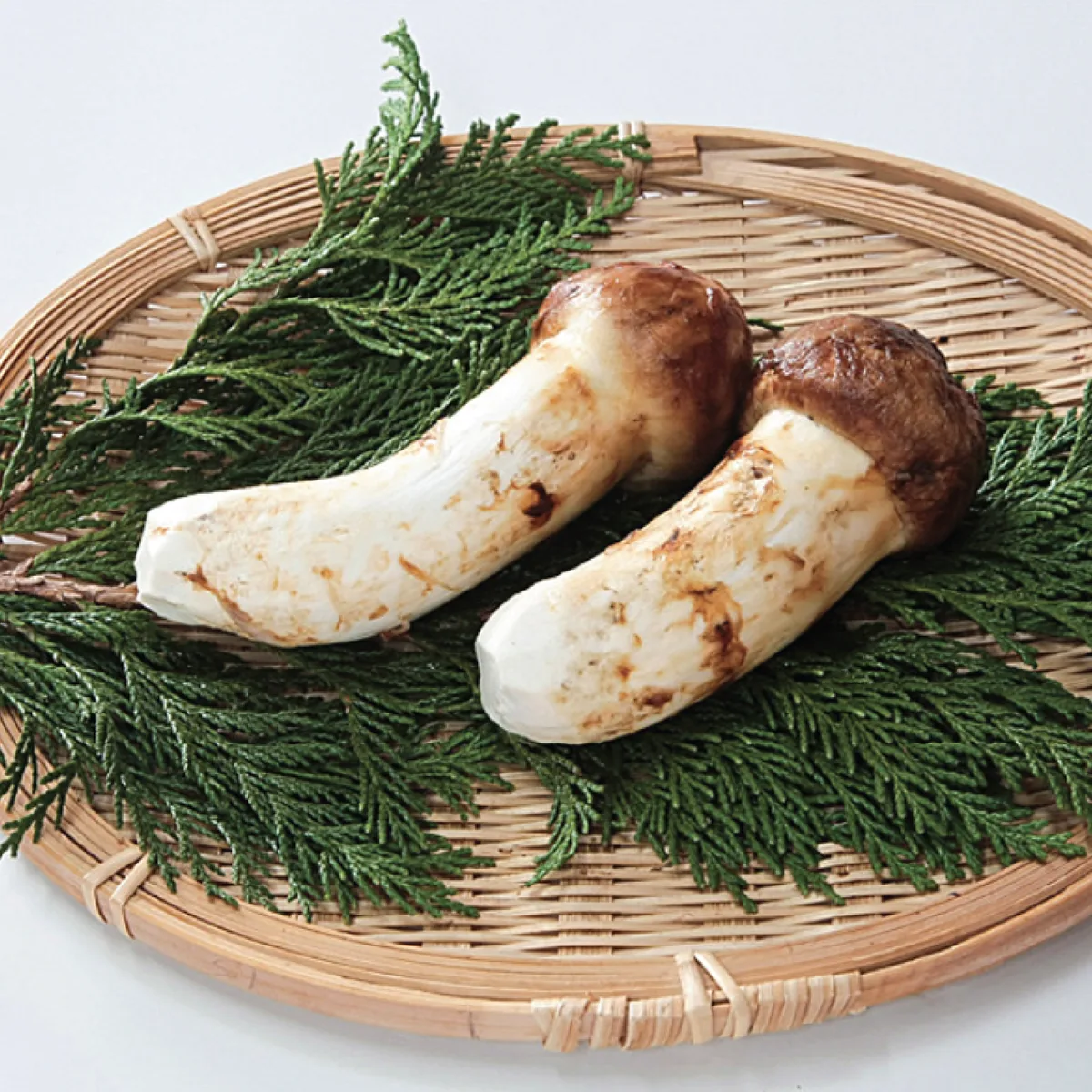
Sōngróng Gānpiàn·Dried Matsutake Slices

From · Shangri-La high country · 3,400 m

Pickers leave at four in the morning, off the trees before the sun hits. Sliced the same day, low-temp air-dried — the pine-fungus-earth three-layer scent stays in. Steep, then simmer with chicken, or pan-fry with eggs. Fresh matsutake is never shipped — this is the honest constraint, written up front.

¥260/ tin 50g
Shangri-La · high

06 · Summer

Jīzōng Yóu·Jizong Mushroom Oil

From · Mouding (Chuxiong) · Yi household tradition

Jīzōng grows above termite nests — out of nowhere after a night rain. The Yi aunties press it slowly in rapeseed oil, driving off the mushroom's water and fusing the umami into the oil. Stir into noodles, rice, plain bread; use as a base to re-fry mushrooms. 240ml glass jar; keep it cold after opening.

¥88/ jar 240ml
Mouding · Yi slow-fry

07 · Summer

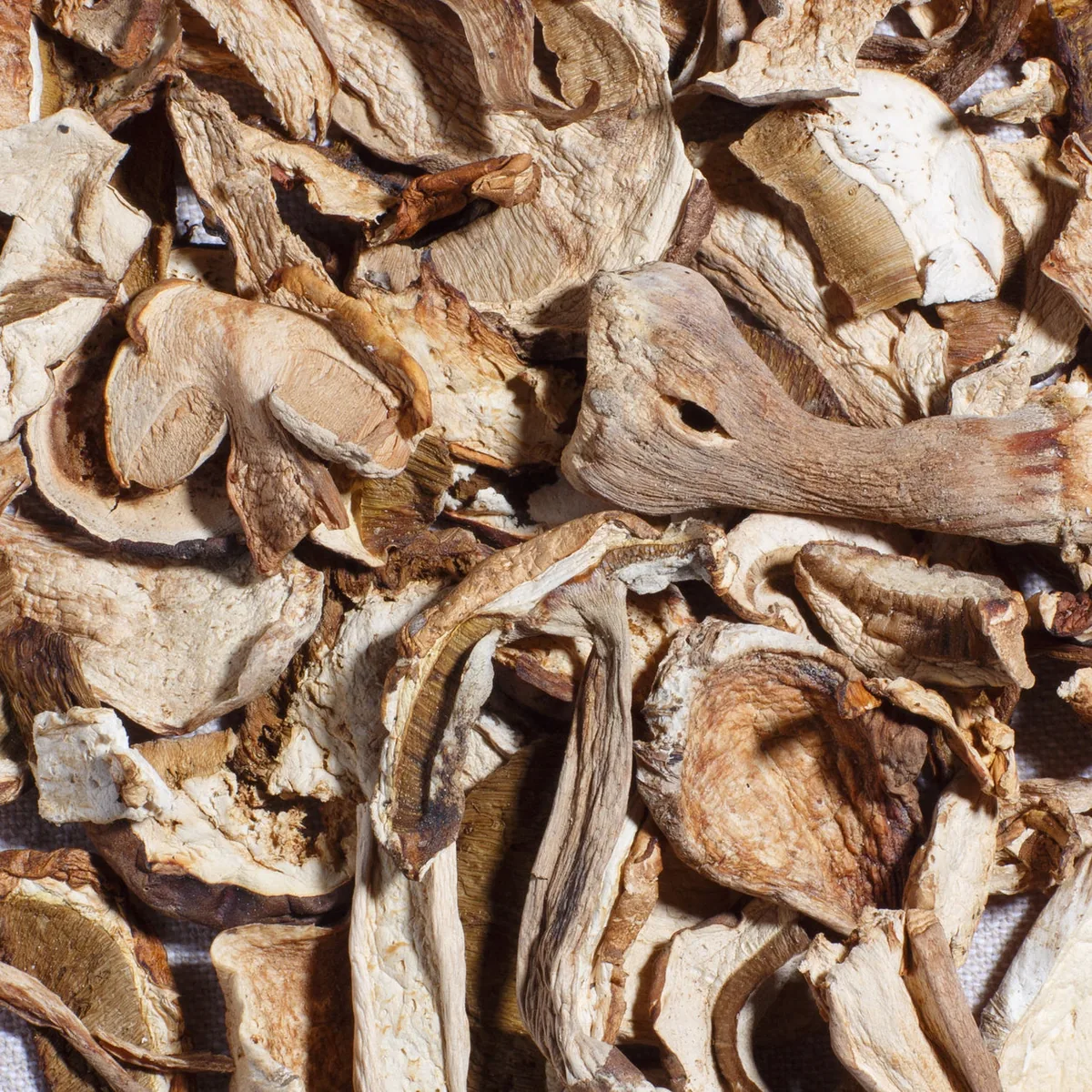
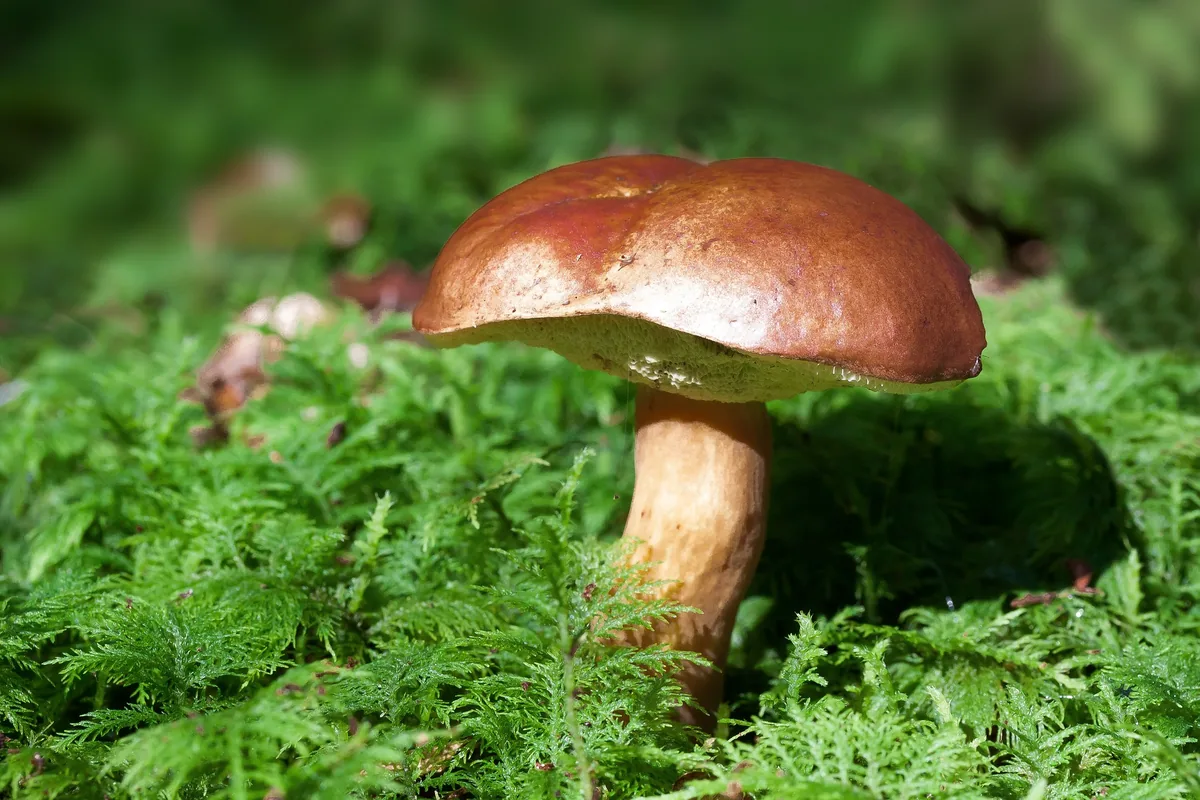
Niúgān Jùn·Dried Porcini Slices

From · Wuding (Chuxiong) · wild west Yunnan

Sliced porcini, sun-dried, a raw-chestnut scent in the bag. Yunnan folk stew it with cured pork or ham — the umami lifts the meat. Don't throw the soaking water: strain it, it's the body of the soup.

¥138/ bag 100g
Chuxiong · Wuding

08 · Summer

Gānbā Jùn·Dried Ganba Mushroom

From · Yimen (Yuxi) · Yunnan mountain delicacy

Gānbā jùn is the strangest of the Yunnan mushrooms — a loose, almost crumbly texture, with pine needles caught in it, and a smell that sits somewhere between fermented tofu and aged ham. Only a few dozen kilograms of dried slices a year, and the table regulars get there first.

¥180/ bag 50g
Yimen · forest wild

slide the shelf right →

Autumn Shelf · III

Qiu·Autumn Honey & Walnut

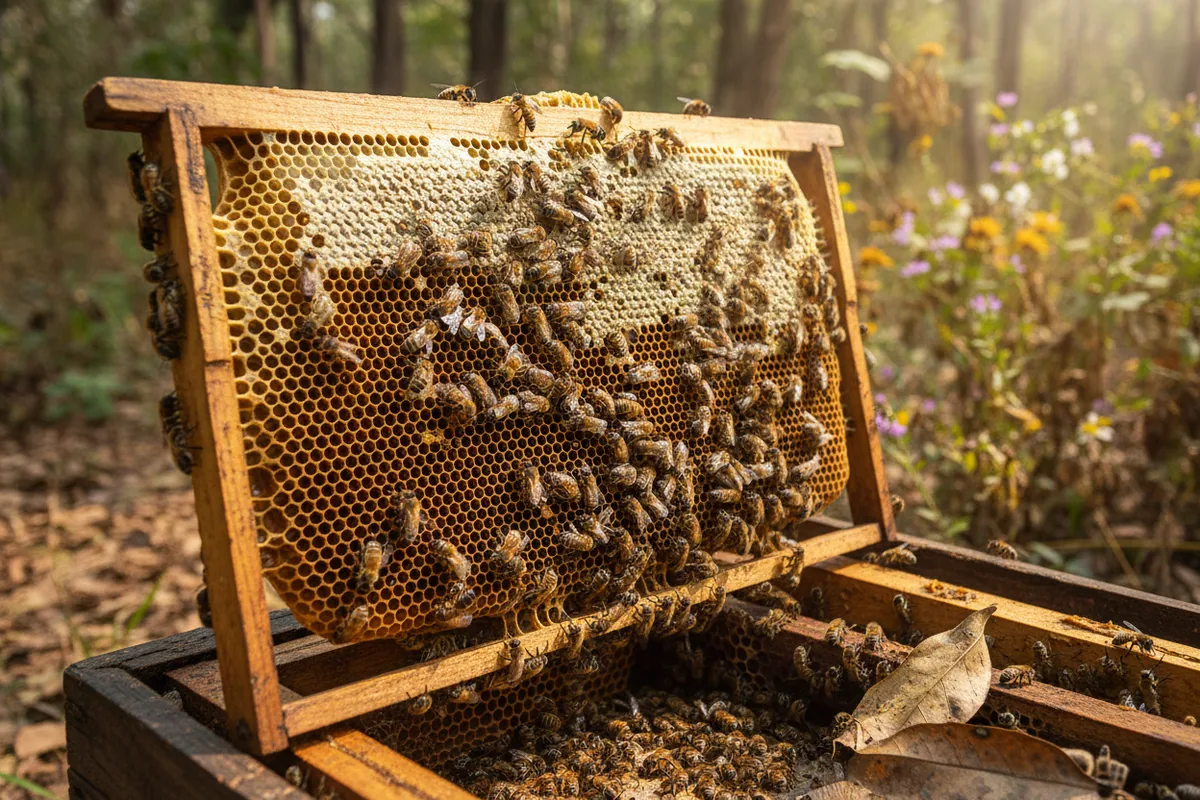
After the White Dew in September the high-country wild flowers run out of season. The beekeepers move up to the west slope of Cangshan, and the Yangbi walnuts come off the tree. The year's sweetness lives in these two bins.

Sept – Nov · harvest

09 · Autumn

Gāoshān Bǎihuā Mì·High-Mountain Wildflower Honey

From · Cangshan west slope · 2,400 m · native Apis

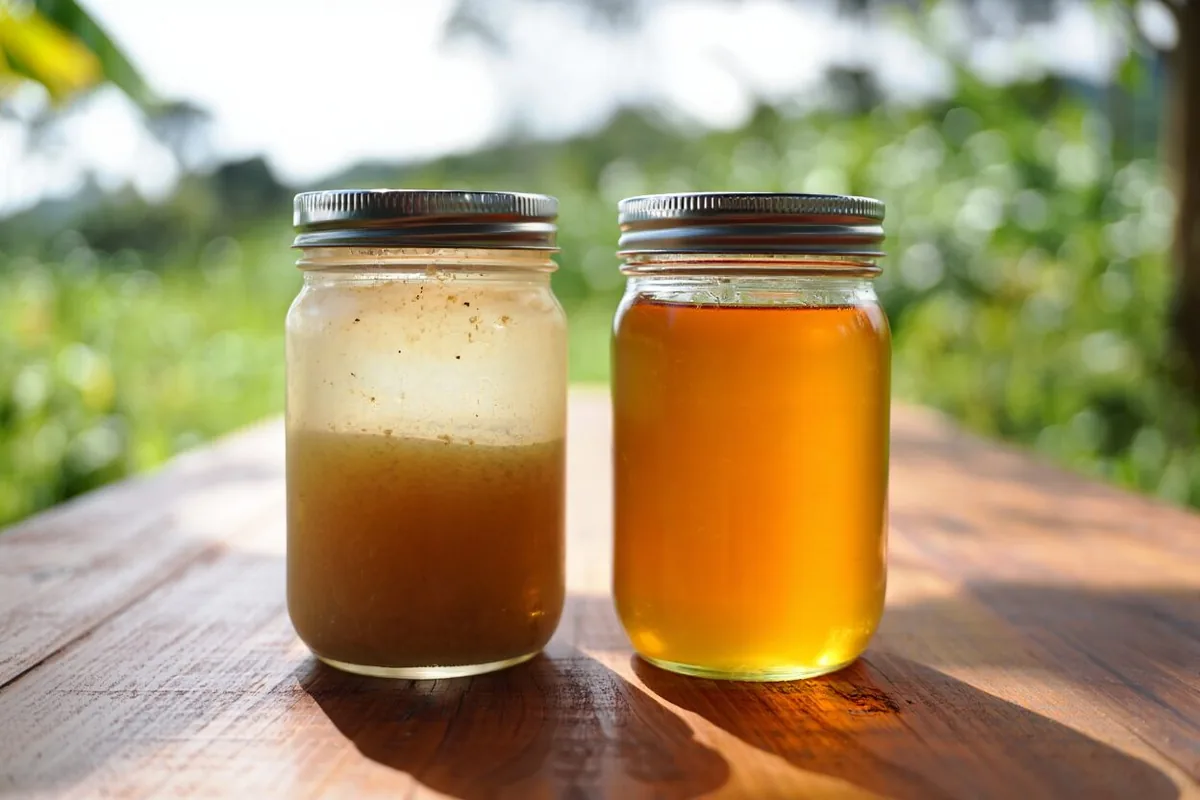
The mountain flowers don't give a single source — buckwheat, wild chrysanthemum, sumac, sumac-of-varnish-tree, all in turn. Deep amber when liquid, a fine sand when it crystallises. Eat by the spoon, eat with rǔshān, stir into húmǐ jiǔ (roasted-rice wine) — three ways, three good.

¥98/ jar 500g
Cangshan W. · native bee

10 · Autumn

Yàngbì Hétáo·Yangbi Walnuts

From · Yangbi Yi Autonomous County · hundred-year trees

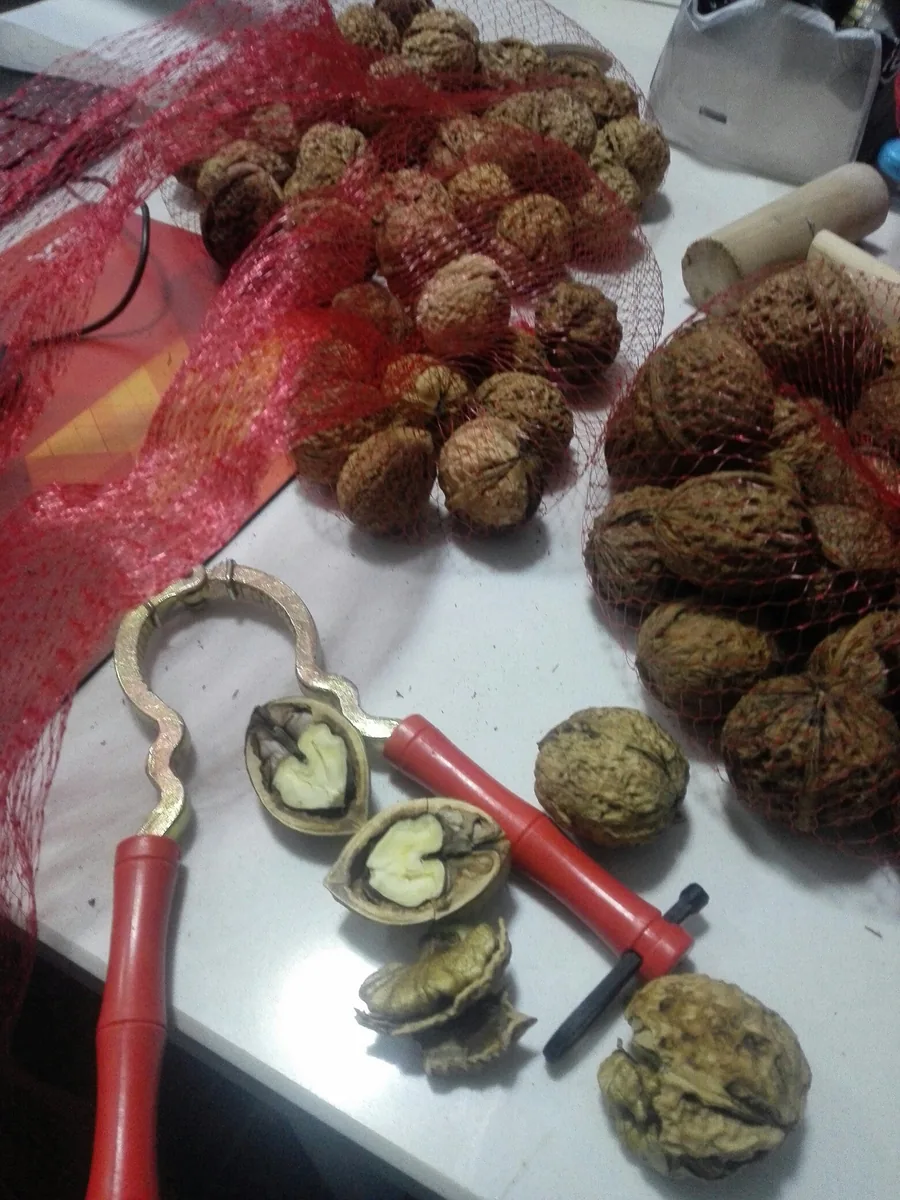
Yangbi walnuts carry a China Geographical Indication — the dàpào ("big-pimple") cultivar is the most loved: thin shell, white kernel, oily. Sold in shell or shelled by weight. The two old trees at the village gate — those are sold separately, by the bag.

¥45/ bag 500g
Yangbi · old trees

11 · Autumn

Yěhuā Mì (Xiǎo)·Wildflower Honey · small jar

From · Cangshan west slope · same apiary, small pour

Same honey as the 500g jar, just a smaller pour for travel and for the first-time visitor who wants to taste before committing. "Try it small, then come back for the 500g."

¥38/ jar 240g
Try first · same honey

12 · Autumn

Hétáo Yóu·Cold-Pressed Walnut Oil

From · Yangbi · physical press · no additives

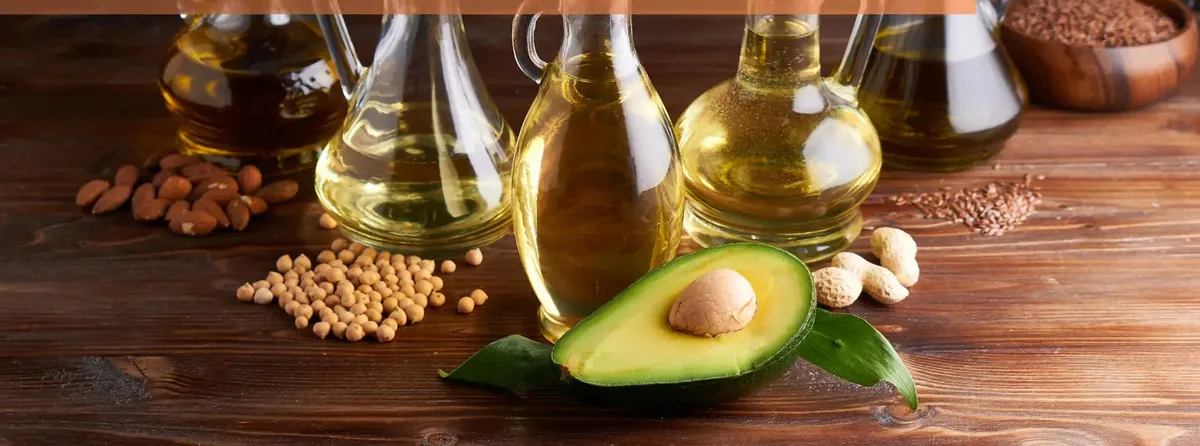
Shelled Yangbi walnuts, physically pressed — no refining, no bleaching. A raw walnut green scent; dress a cold dish, drizzle a salad, fine on baby food. 250ml brown glass; three months cold once opened.

¥68/ bottle 250ml
Yangbi · cold-pressed

slide the shelf right →

Winter Shelf · IV

Dong·Winter Cured

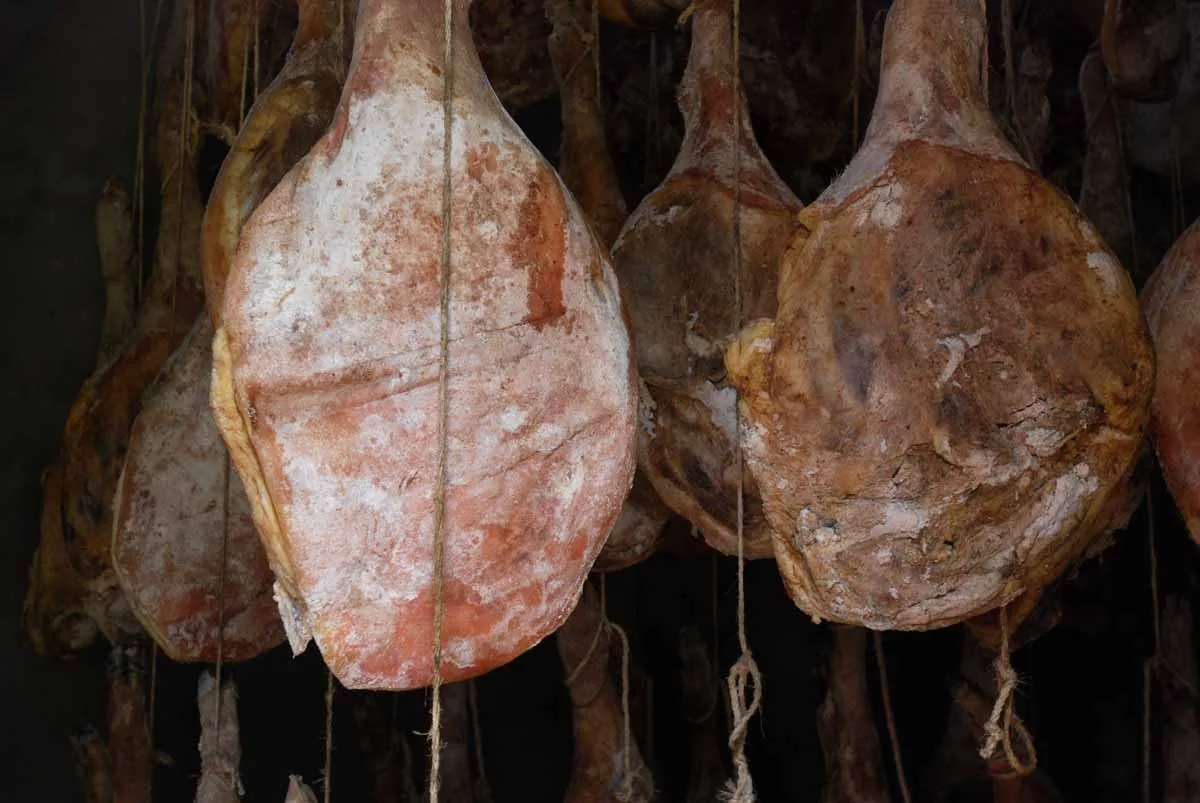
After the Heavy Snow in November, the kitchens of Nuodeng village in Yunlong county boil down the well brine, salt the hams. Three years in the curing house before they come out. Whole-year hams need three months' notice; in the twelfth month we slice and sell.

Nov – Feb · curing

13 · Winter

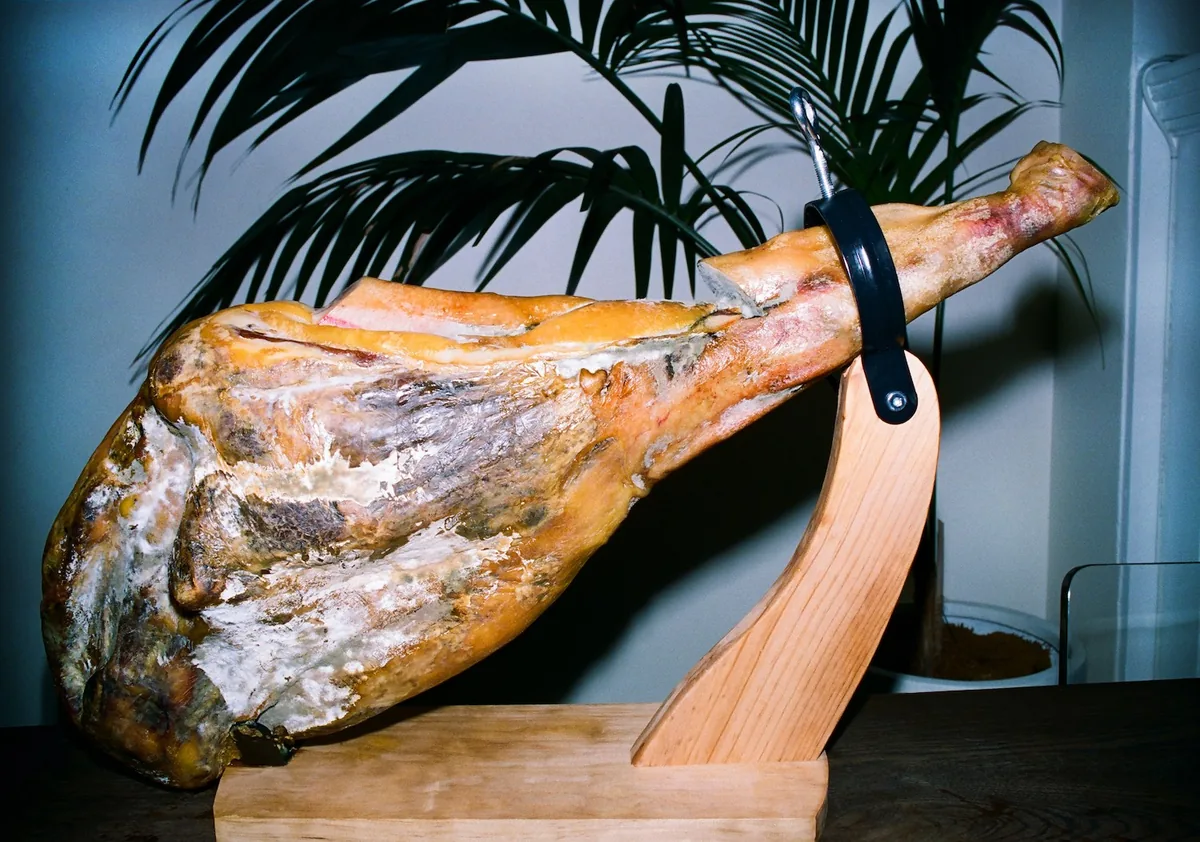
Nuòdēng Huǒtuǐ·Nuodeng Well-Salt Ham

From · Nuodeng village, Yunlong county · well-brine, three-year cure

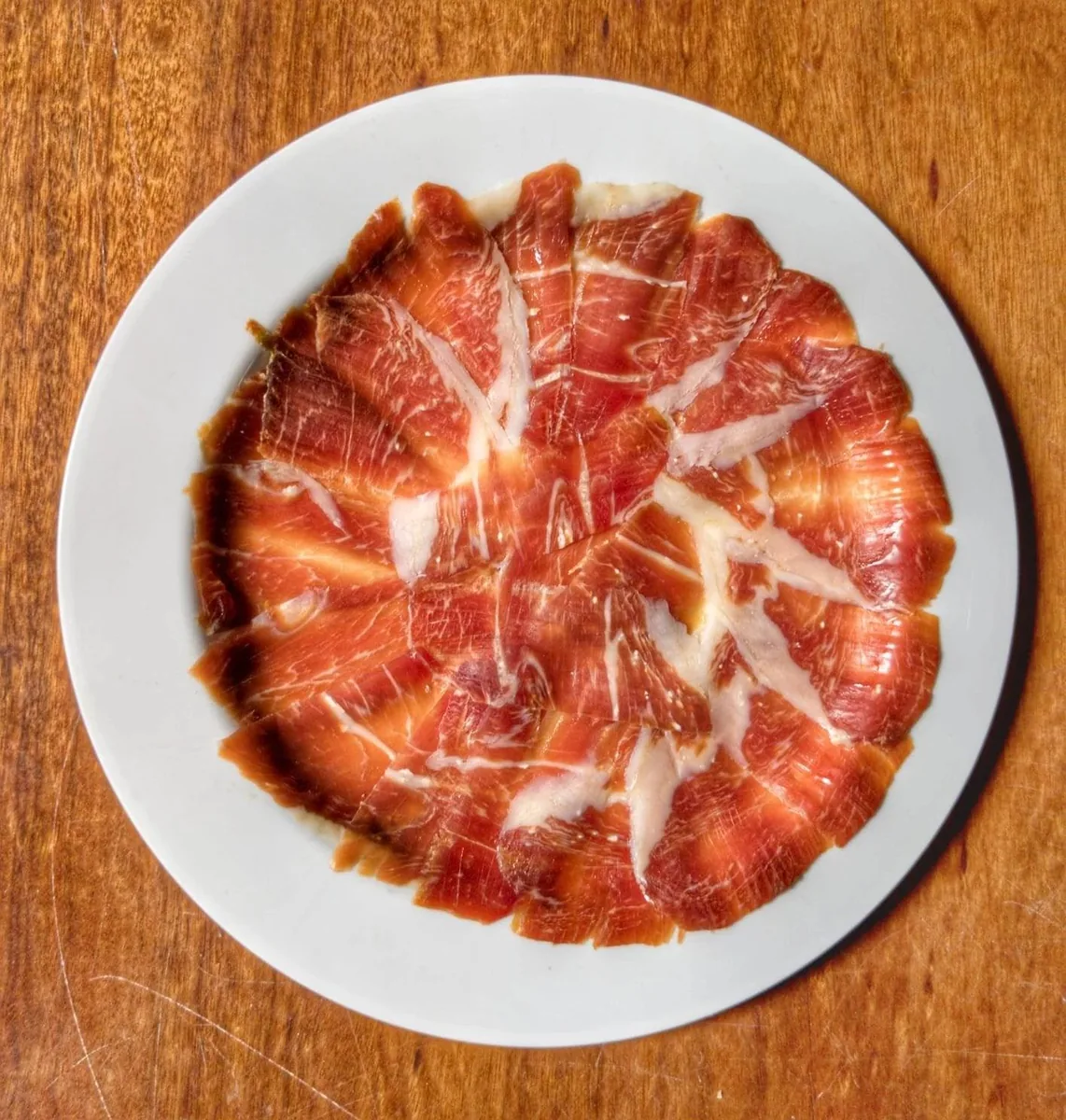
Nuodeng village has a thousand-year-old salt well — the brine is what cures the ham, never industrial salt. Three years hanging in the curing house; sliced across the grain you see rose-pink lean, translucent jiāo (the connective gelatin), and a snowflake pattern through the fat. Stew, steam with eggs, fry with mushrooms, fold into rice — all four are right.

¥118/ portion 500g
Nuodeng · well-brine 3yr

14 · Winter

Zhěng Nián Tuǐ·Whole-Year Ham Pre-Order

From · Nuodeng · 3-month advance order · ≈ 4 kg

For the customer who wants a ham for the year. Three months' advance order by mail. A whole leg weighs about four kilos; we cut it into fore (for soups), middle (for stir-fry, pan-fry) and tip (the saltiest, for hot-pots). A small map of the leg and a year's worth of suggestions come with it.

¥1,580/ whole leg
Whole leg · 3 mo ahead

15 · Winter

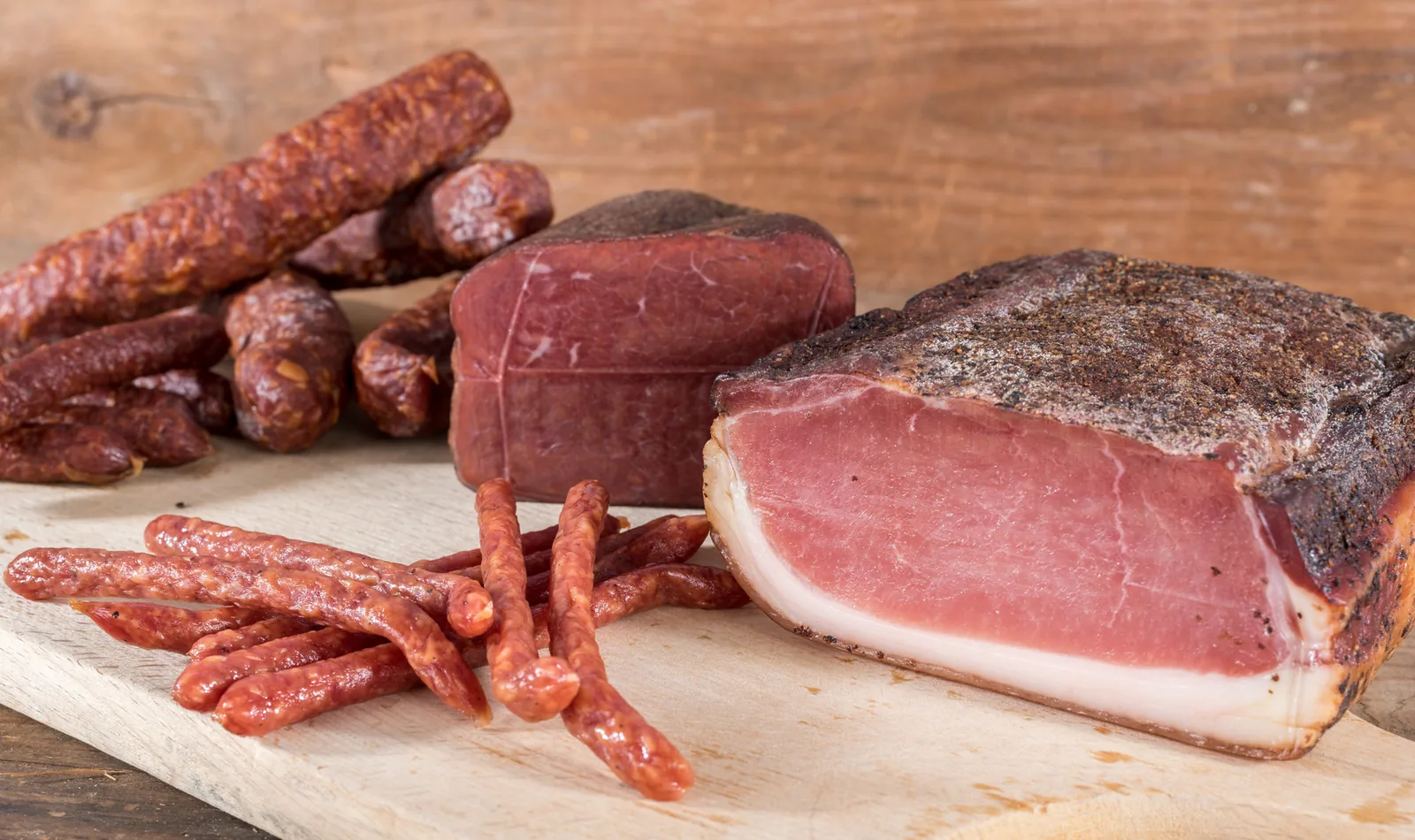
Báizú Làcháng·Bai House Sausage

From · Xizhou · Auntie Xiu's own recipe · cypress smoke

The shopkeeper's own sausage — hind-leg pork, three fat to seven lean, Sichuan pepper, baijiu, well salt, stuffed into local pig small-intestine casing and hung to smoke over cypress wood for three days. Steam, slice thin, serve with Snow-Green tea to cut the fat. Steaming brings out the oil and fills the room with cypress.

¥68/ portion 500g
Xizhou · Auntie Xiu

16 · Winter

Huǒtuǐ Qiēpiàn·Ham Slices · ready to cook

From · Nuodeng · middle cut · vacuum bag

Middle-cut Nuodeng ham sliced thin and vacuum-sealed. Open, steam, simmer, pan-fry or stir — a one-dish dinner. The first-time customer who wants to try it before committing to a whole leg usually starts here.

¥48/ bag 200g
Middle · ready slice

slide the shelf right →

Section two · where it comes from

Nineteen peaks, eighteen creeks, one ledger of goods by creek.

Cangshan runs south to north in nineteen peaks; between them, eighteen creeks run east into Erhai. The micro-climate is different creek by creek, and what grows is different too. "Place", here, is a ledger that opens by creek.

Cangshan's nineteen peaks — the highest, Malong, at 4,122 m, the lowest still over 3,500. Eighteen creeks run east into Erhai between them; each creek has its own weather and grows its own thing.

Our rule is "buy by creek". We sell Xiaguan tuóchá (compressed tea) from the south slope, Yangbi's Snow-Green from Shimen Pass, Shangri-La's high-altitude matsutake slices, Mouding jīzōng oil, Yangbi's dàpào walnuts, and Nuodeng well-brine ham from Yunlong county. Every item on the shelf has its creek and village on the label — nothing on the shelf without an address.

Xizhou, the old town where the shop sits, is a thousand-year-old Bai settlement at the foot of Yunnuo peak. The neighbouring village of Zhoucheng is the home of Zhōuchéng zārǎn (Zhoucheng tie-dye) — the indigo cloth wrapping our tea tins, the cloth around the cured-ham bags, all comes from the Zhoucheng aunties. We don't dye cloth; we only buy theirs — it is the visual identity of the shop and the source of the indigo-blue of the page.

Erhai, the lake below, raised this Bai country. The xīzhōu bāba (Xizhou flatbread), the rǔshān (Bai cheese), the sour-spicy fish, all come from this water. We don't sell fish or cheese in the shop — but the things we pour the tea onto come from the neighbours.

19peaks

Cangshan ridge

18creeks

run east to Erhai

4,122m

Malong peak / highest

1000+ yr

Nuodeng salt well

Section three · what we ship, what we don't

What ships and what doesn't, written up front.

The mountain road is long, fresh mushroom oxidises by the hour, ham wants cool, honey doesn't like to be shaken — not everything goes by courier. Below is the honest account, written clear.

Tea, walnut, honey

These three go anywhere in China. Room temperature, kept dry, take a shake — Shunfeng overland, 3 to 5 days. Free shipping over ¥300 (Yunnan, Qinghai, Ningxia remote areas by arrangement). The mingqián cake is fragile — we wrap it in cotton paper, into a hard carton. Honey carries a "fragile · this side up" label.

Fresh mushroom · never

Fresh matsutake, fresh porcini, fresh jīzōng — none of it is shipped. Not because we can't pack it; because the mountain is far, and fresh mushroom oxidises on the road. By the time it reaches the buyer half the aroma is gone. This is the honest constraint, written up front. We only sell dried slices and jīzōng oil (oil-sealed, keeps half a year).

Ham, sausage · Shunfeng cold-chain

Nuodeng ham, Bai sausage go by Shunfeng cold-chain, foam box + ice pack + vacuum bag. Next-day in Yunnan, 48 hours to the rest of the country. The pre-sliced ham can also go by ordinary overland — no cold needed. Whole-year legs are best picked up or hand-delivered.

Freight & guarantee

Freight is by weight and destination — quoted before shipping, never "added on" at the till. Yunnan, Qinghai, Ningxia, Xinjiang remote areas by arrangement. The shop's rule: we re-ship on breakage — mould, leak, shatter, off-flavour on arrival, send a photo, we post again at our cost.

Section four · the shop

Three-cup tea on arrival; the indigo is Zhoucheng.

Xizhou is a thousand-year-old Bai village. We keep a few old rules — pour the first cup when a visitor arrives, wrap everything in Zhoucheng indigo cloth, the cotton around the tins is dyed by hand.

The shop is at the south-west corner of Xizhou's Sifang Street — front shop, back warehouse. The four shelves out front are the display; the warehouse behind is where the stock actually lives. When you walk in we pour the bitter cup first — one sip and the road-wear drops off.

The indigo cloth around the tea tins and the ham packs comes from the neighbouring village of Zhoucheng. Zhōuchéng zārǎn (Zhoucheng tie-dye) is on the national intangible heritage list — the dye is fermented indigo mud (from Polygonum tinctorium, the indigo plant), the cloth is tied and dyed by Bai aunties by hand. We don't dye cloth; we only buy theirs — it is the visual identity of the shop, and the source of the indigo-blue of the page.

The shopkeeper, Auntie Xiu, is a Xizhou local — her family has made rǔshān and sausage for two generations. We open at nine, close at six; around lunch Auntie slips home for a meal and the in-laws watch the shop. For a whole-year leg or a cold-chain delivery, write ahead.

I · First cup

Kǔchá·Bitter tea

Cangshan green fire-roasted over charcoal, brewed for the first steep. Bitter at the front, a long sweet finish — one sip and the road wears off.

II · Second cup

Tiánchá·Sweet tea

Rǔshān (Bai cheese), brown sugar, cassia bark added to the brew. Cream, sugar and tea in one cup — "the second cup is sweet in the heart".

III · Third cup

Huíwèi·Aftertaste

Flower pepper, ginger, cassia, tsaoko added. A tingle of warmth, a sweet finish — "one bitter, two sweet, three aftertaste", the Bai hospitality's closing line.

Zhoucheng tie-dye indigo cloth hanging on bamboo poles to dry, deep blue translucent with sunlight behind
Zhoucheng tie-dye · fermented indigo-plant mud on hand-dyed cotton · the indigo around our tea tins is this

Section five · getting here

Come to Xizhou — an old street, a rice field, a market day.

Xizhou sits below Yunnuo peak on the Cangshan ridge, twenty kilometres north of Dali old town. Four hundred-odd Bai courtyard houses in the old town; ten minutes' walk south of Sifang Street and you are in the rice fields. The big autumn market and the year-end market are the two to come for.

01Rail to Xizhou

Kunming South → Dali → Xizhou

High-speed Kunming–Dali about two hours; from Dali station a taxi to Xizhou is about 40 min / ¥60. The town is small — fewer than ten inns, most of them courtyard houses converted.

02Dali Fengyi airport

Direct flight into Dali

Airport to Xizhou about an hour / ¥80–120. We can book a local driver for the pick-up — write a day ahead with your flight number.

03By car

Dali Expressway → Xizhou exit

From Xiaguan take the Dali Expressway north; take the "Xizhou" exit; signs lead you to Sifang Street in five minutes. Paid parking inside the old town.

04From Dali old town

Old-town north gate → Xizhou

Private minibuses run from Dali's north gate to Xizhou / ¥10, every half hour. Or by bike along the Erhai ring road, about 1 hr 30 min.

Section six · writing to us

For an order, a question, or a post — write to us.

Say which items you want, where to post them, and by when. During the day Auntie Xiu is in the shop wrapping goods and replies slowly; in the evening she answers quicker.

Address

Cangshan Provisions

South-west corner, Sifang Street

Xizhou old town, Dali

Yunnan 671004

Coordinates

25°49′N · 100°08′E

Foot of Yunnuo peak, shore of Erhai — third alley south off Sifang Street, left at the indigo cloth above the door. The cloth is the sign.

Phone · in the shop

+86 872 000 0000

The shop opens at nine — the bell doesn't always catch Auntie when she's busy; she sometimes hands the phone to the sister-in-law next door. Write first, agree a time, then call.