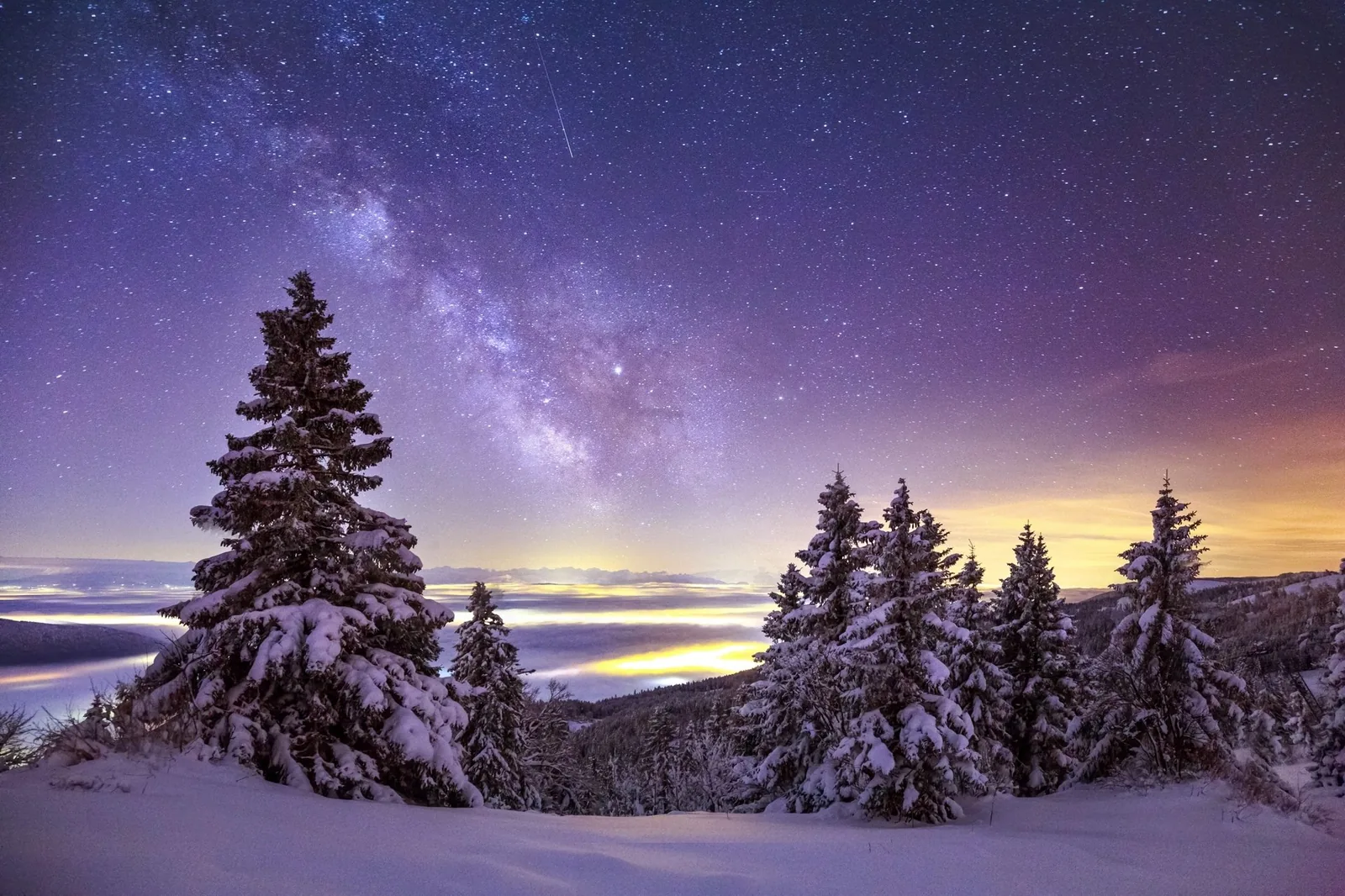
Section seven · winter nights
December to February is when Achi’s sky gets serious.
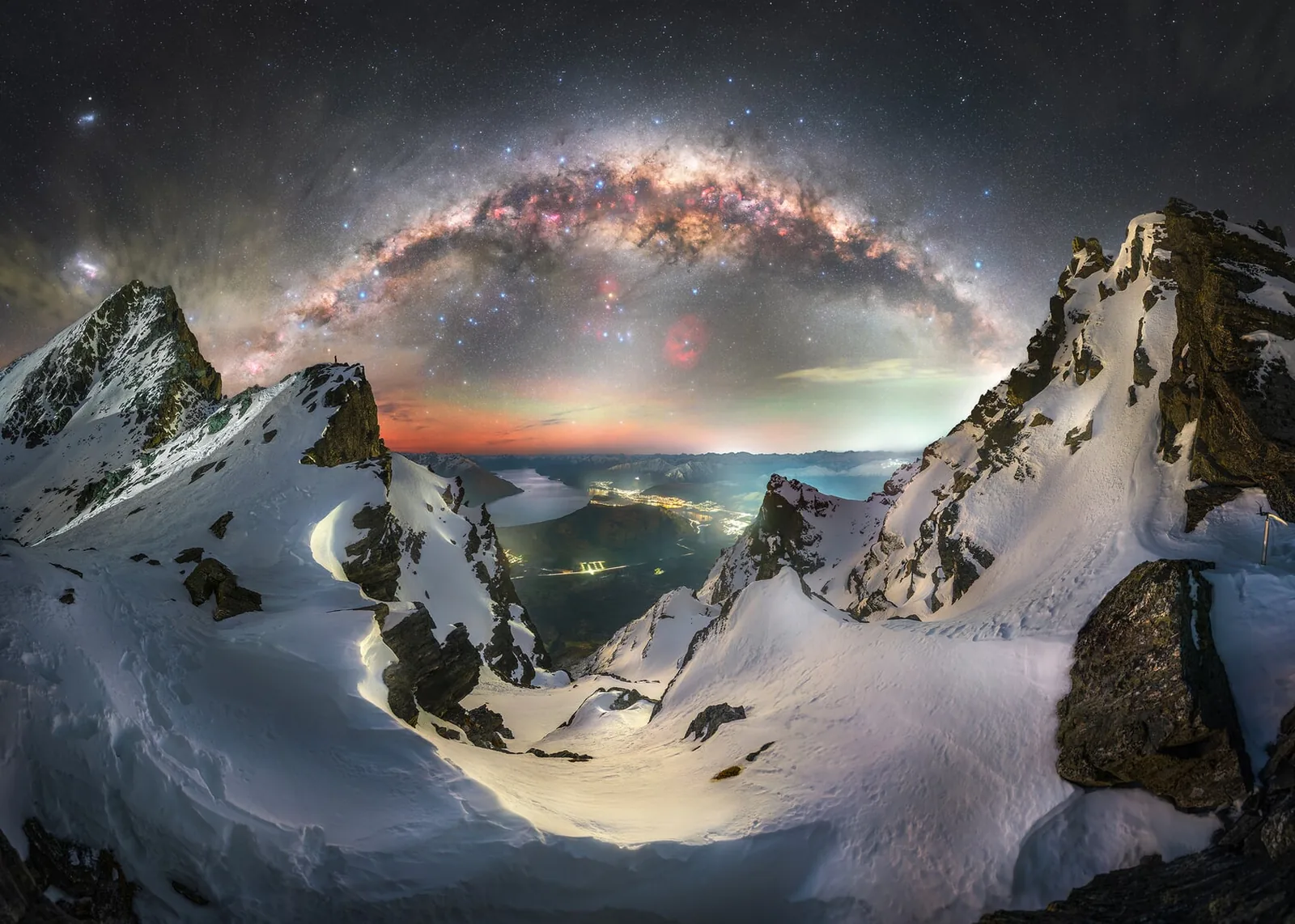
The air is at its driest. Orion climbs the south-east with Sirius at his heel. The Milky Way fades to a faint band, but the constellations sharpen into pinpoints.
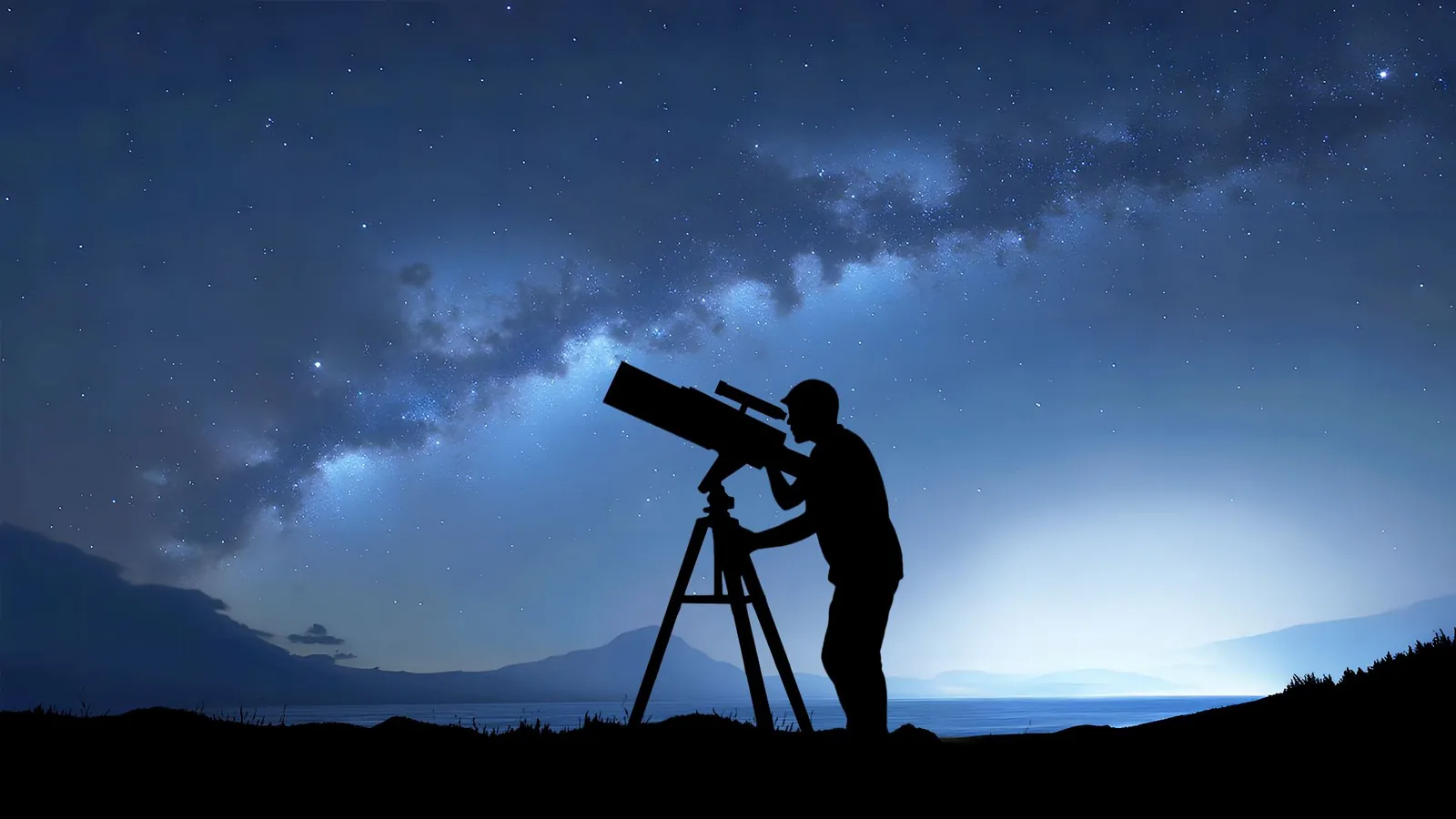
Cold cuts the seeing — the air is still, the stars barely twinkle, and the eyepiece stays steady on the lunar craters. This is when Achi earns its reputation among astronomers, and when Hoshino-san extends the late-night session by half an hour for guests who want to stay out.
What we hand you
- Two hibikairo hand warmers per guest
- Heavy wool blanket (the kind ryokan use)
- Spare pair of wool socks if yours are damp
- Amazake on the bench, refills included
Geminidsふたご座流星群
The most reliable annual shower. Up to a hundred meteors an hour at peak on the night of 13 December, slow and bright, often with a green or red afterglow.
The dark of winter冬の暗さ
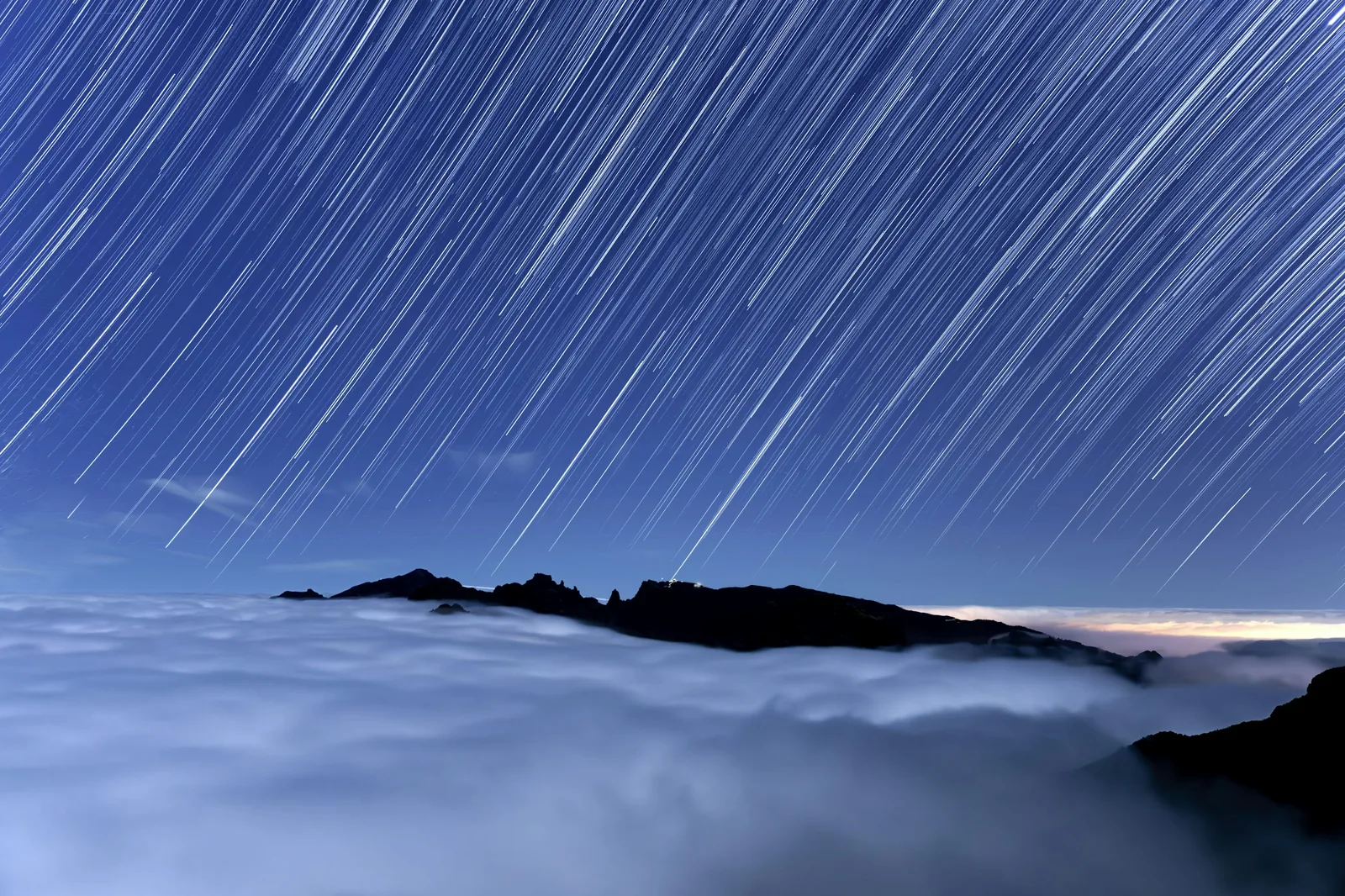
Astronomical dark arrives by 18:00 and lasts until 05:00 — nearly eleven hours of stable, cold, transparent sky. The longest nights of the year give the longest sessions.
Spring bonus: hanamomo花桃
From late April, the peach orchard on the lower slope blooms pink and white. Guests on the spring twilight session often come an hour early to walk the orchard before the sky darkens.